Introduction
As lighting solutions experts, we’ve seen quite an evolution in lighting technology over the last decade. One of the most notable changes being the shift from traditional incandescent light bulbs to LED lights. This transformation was driven by the quest to lower energy consumption, reduce carbon footprints and increase efficiency in illuminating our homes, streets and workplaces.
But how do these two types of light bulbs measure against each other? That’s what we’re about to explore. We’ll compare their efficiency, longevity, cost-effectiveness and environmental impact. Whether you’re planning a lighting overhaul in your home or just want to understand better, this blog will provide you with the insights you need.
Quick Summary
While incandescent light bulbs have been around for a long time, LED lights are superior in terms of energy efficiency, lifespan, and environmental impact. They might cost more upfront, but they offer significant savings in the long run.
Energy Efficiency and Lifespan: LED VS Incandescent Light Bulbs
LEDs (Light Emitting Diodes) are highly energy efficient. For every 100% of energy used, around 95% is converted into light, with only 5% wasted as heat. In contrast, incandescent bulbs convert only about 10% of their energy into light, wasting the rest as heat. Therefore, LED lights use much less power (watts) per unit of light generated (lumens).
Apart from being more energy efficient, LEDs also have a significantly longer lifespan compared to incandescent bulbs. An average LED light can last up to 25,000 hours, with some LED lights lifespan even extending to 50,000 hours. On the other hand, incandescent bulbs typically last 1,000 hours, requiring more frequent replacement.
Cost-effectiveness
- LEDs use less energy, resulting in lower electricity bills.
- The long lifespan of LEDs means you spend less money on replacements.
- With higher lumens vs watts ratio, LEDs provide more light for less power.
Environmental Impact of Lighting Choices
Environment sustainability is a major concern nowadays and switching to LED lights can have a significant positive impact. LEDs emit very little heat which reduces the energy demand and subsequently, the CO2 emissions. In addition, they also reduce light pollution as they emit light in a specific direction unlike incandescent bulbs that scatter light all around.
On the other hand, incandescent light bulbs, with their shorter lifespan and higher energy consumption, lead to more waste and higher CO2 emissions. This makes them a less eco-friendly option. Whether it be your outdoor lighting or pendant lights, making the switch could contribute to a greener planet.
Light Quality and Colour Temperature
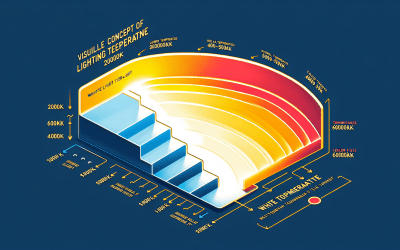
It is a common misconception that LED lighting is harsh and too bright compared to incandescent bulbs. However, LEDs are available in a wide range of colour temperatures, making them a versatile choice for a range of applications. From warm white to replicate the cosy glow of incandescent bulbs to cool white for practical applications, the choice of lighting colour temperature is diverse.
LED lighting solutions now even extend to smart lighting, which allows you to adjust the intensity and colour of your lights using a mobile device. With LEDs, you can easily manage the aesthetics and functionality of your lighting to create the perfect ambience.
Conclusion
Ultimately, the decision between LED and incandescent light bulbs boils down to your specific needs and preferences. While incandescent bulbs have a lower upfront cost, the long-term benefits of LEDs in terms of energy efficiency, lifespan, cost-effectiveness and environmental impact make them an increasingly popular choice for smart homeowners and businesses.
If you’re looking to make the switch or want advice on the best lighting selection for your space, our expert team at Modern Lighting Brisbane is here to assist you. As lighting experts in Brisbane, we provide professional advice and top-quality installation services to help you light up your space efficiently and stylishly.